
Introduction
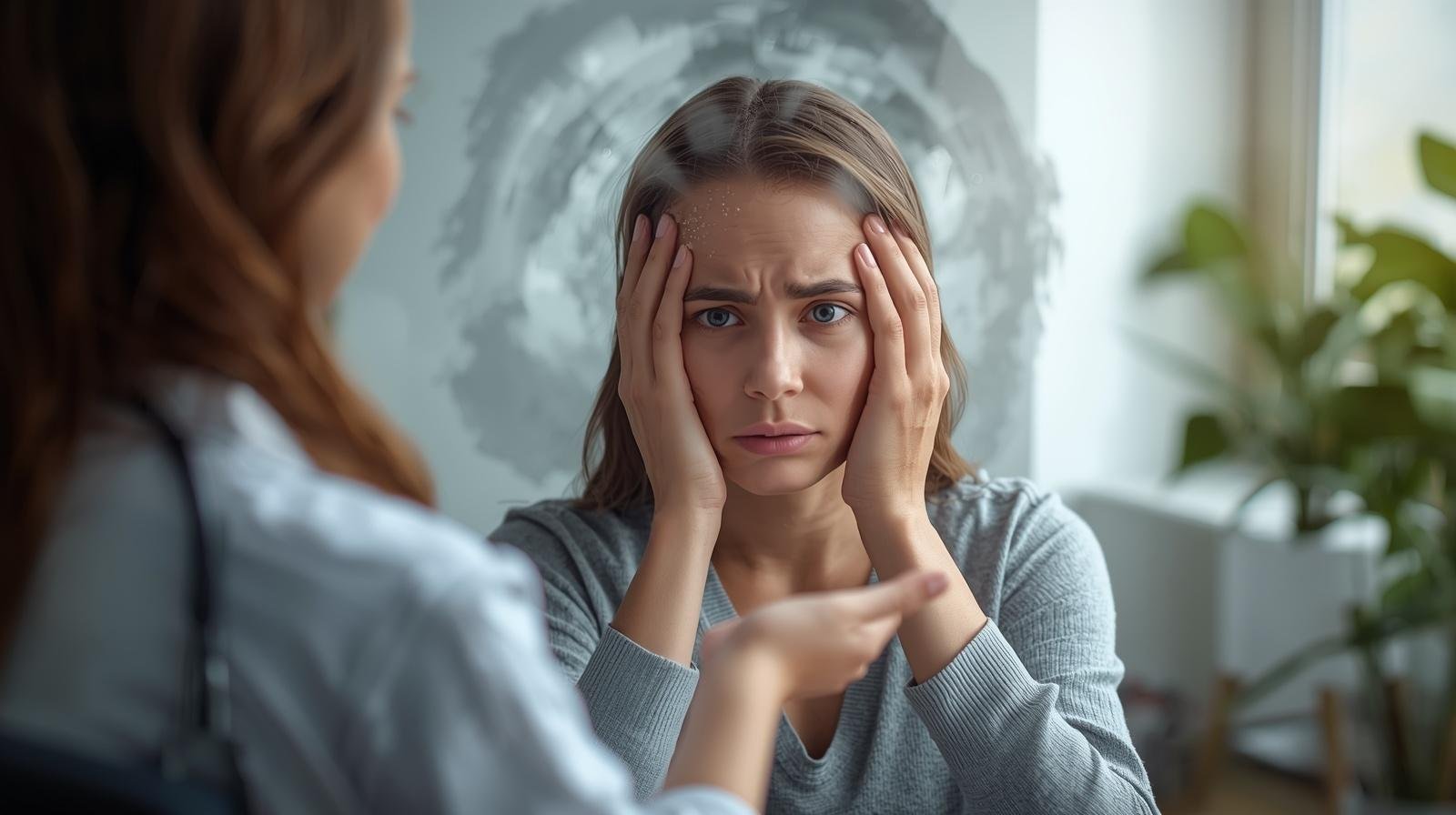
Anxiety is a mental condition where a person experiences continuous worry, fear, or tension. It can happen in normal life situations or without a clear reason. Anxiety affects thinking, behavior, and physical condition.
Many people do not recognize early signs of anxiety, which allows the condition to grow stronger over time. Understanding signs and learning ways to manage anxiety helps improve daily life and mental stability.
What anxiety means
Anxiety is a response of the body and mind to perceived threat or pressure. It is part of the natural stress system.
In normal situations, anxiety helps a person stay alert. But when it becomes frequent or long-lasting, it affects daily functioning.
Anxiety is not only mental. It also affects physical health and behavior.
Common physical signs of anxiety
Anxiety often appears in the body before a person notices it mentally.
Common physical signs include:
- Fast heartbeat
- Sweating
- Muscle tension
- Breathing difficulty
- Shaking hands
- Head pressure
- Fatigue
These signs appear when the body reacts to stress signals.
Common mental signs of anxiety
Anxiety also affects thinking patterns.
Mental signs include:
- Continuous worry
- Fear of future events
- Overthinking small situations
- Difficulty focusing
- Negative thinking patterns
- Feeling of lack of control
These thoughts can repeat and increase mental pressure.
Emotional signs of anxiety
Emotions are strongly affected by anxiety.
Emotional signs include:
- Irritability
- Restlessness
- Feeling of fear without reason
- Emotional instability
- Feeling overwhelmed
These emotions can affect relationships and daily communication.
Causes of anxiety
Anxiety can develop from different life situations.
Common causes include:
- Work pressure
- Study pressure
- Financial issues
- Personal problems
- Traumatic experiences
- Lack of sleep
- Health concerns
Sometimes anxiety appears without a clear cause.
Anxiety and daily life impact
Anxiety affects daily functioning.
It can reduce:
- Focus in work or study
- Decision making ability
- Social interaction
- Productivity
It also affects sleep and physical health over time.
Breathing control for anxiety management
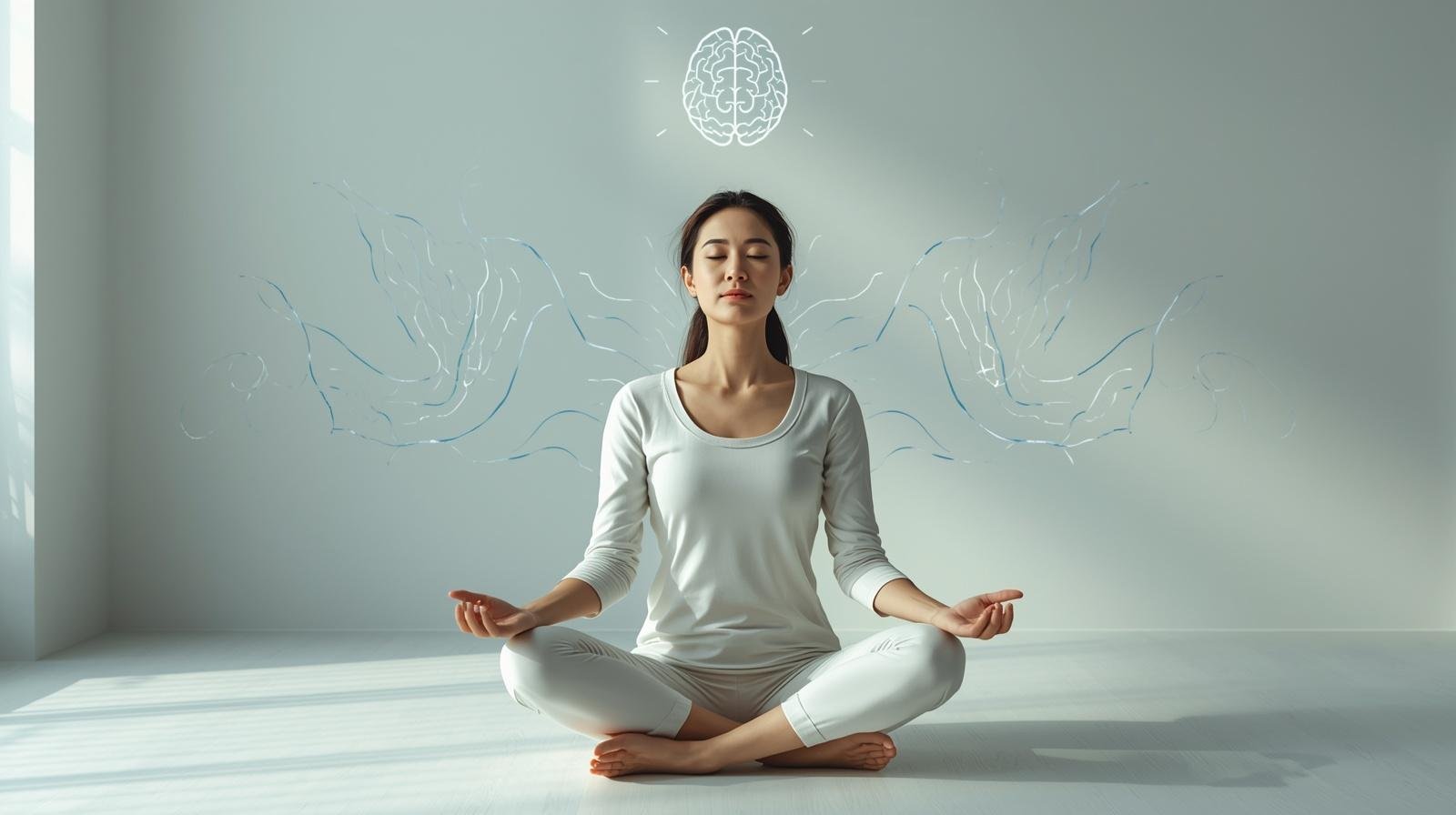
Breathing control helps calm the nervous system.
Simple method:
- Sit in a calm place
- Inhale slowly
- Hold briefly
- Exhale slowly
- Repeat multiple times
This helps reduce physical anxiety response.
Grounding technique
Grounding helps bring focus to present moment.
Steps:
- Focus on surrounding objects
- Notice sounds and environment
- Touch nearby objects
- Observe physical presence
This reduces overthinking and fear.
Physical activity for anxiety control
Movement helps reduce anxiety level.
Activities include:
- Walking
- Stretching
- Light exercise
Physical activity helps release tension and improves mood.
Sleep and anxiety connection
Poor sleep increases anxiety symptoms. Lack of rest affects brain function.
Good sleep helps:
- Reduce worry
- Improve focus
- Stabilize mood
- Reduce stress response
Regular sleep schedule is important.
Limiting triggers of anxiety
Certain habits increase anxiety level.
These include:
- Excess caffeine
- Irregular routine
- Overuse of screens
- Lack of rest
- Overthinking habits
Reducing these helps control anxiety.
Role of communication and support
Talking with others helps reduce mental pressure.
Support can come from:
- Family
- Friends
- Trusted individuals
Sharing thoughts reduces emotional load.
Thought control techniques
Managing thoughts helps reduce anxiety.
Methods include:
- Replacing negative thoughts
- Focusing on facts
- Avoiding repeated worry
- Writing thoughts
Controlled thinking improves mental clarity.
When to seek help
Anxiety may require support when it becomes strong.
Signs include:
- Continuous fear
- Difficulty in daily life
- Sleep disturbance
- Physical weakness
- Loss of control
Professional guidance helps manage long term anxiety.
Conclusion
Anxiety is a common mental condition that affects mind, body, and emotions. Early recognition of signs helps in better control. Physical symptoms, mental patterns, and emotional changes all indicate anxiety presence.
Simple methods like breathing control, physical activity, sleep management, and communication help reduce anxiety. Managing thoughts and avoiding triggers also supports mental stability.
Understanding anxiety is the first step toward better mental health and balanced life.



Leave a Reply